What is Sin According to the Bible? (Clear Explanation)
Do you wonder what is sin in the Bible and what it is all about? Everyone hears about “sin” regularly, but not many take the time to question what it actually means according to the Bible. If you are new to the Christian faith or perhaps just curious about Christianity, then there could be no better place to begin. This topic of the Bible will deal with sin from Genesis to Revelation, and the importance of understanding what this means cannot be understated.
According to the Bible, Sin is more than simply committing an act of wrongdoing. It is far deeper and involves the heart, the will, and even the soul itself. In this guide, we will examine the meaning of sin, how God views it, and above all else, the message of hope for all who have sinned.
What Sin Really Means in the Bible
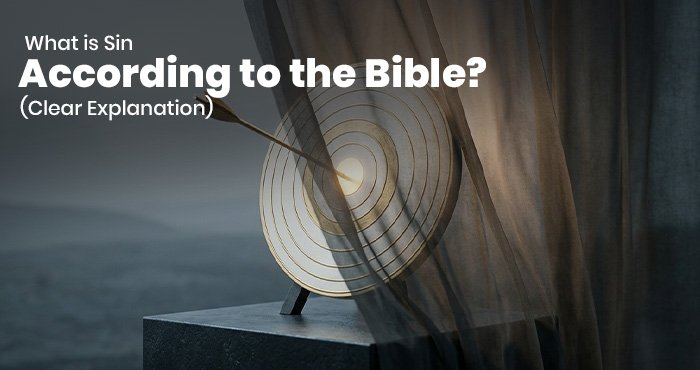
The term “sin” in the Bible is a translation of a Hebrew word meaning “miss the mark”. Imagine a bowman trying to hit a bullseye but failing to do so; the arrow goes off-target, missing the bullseye completely. This is how sin works – we fall short of the glory of God’s creation. This explanation gives us the true definition of sin Christianity teaches.
According to the Bible, A sin can be defined as an act, a way of thinking, or even a behavior that does not align with God’s character and commands. It does not include only major acts but also minor sins such as lying, jealousy, pride, and selfishness. As stated in Romans 3:23, everyone has sinned and fallen short of God’s glory. It implies that there is no one who has not sinned in one way or another.
Sin involves not only breaking certain commandments but also damaging a specific relationship between a sinner and God. It is this distance that causes more concern according to the Bible.
What Does God Say About Sin?
God is clear about sin in the Bible. He does not ignore it, and He does not pretend it is not a big deal. According to the Bible, the penalty of sin is death – both physical and spiritual separation from God (Romans 6:23). That may seem like bleak news, but there is good news on the horizon!
Though God detests sin, He loves the sinner with an intense passion. This is a vital distinction to be made. He is not looking at you through hateful eyes but with pure love and longing for restoration in His arms. All throughout Scripture, God’s narrative unfolds as nothing less than a divine reconciliation plan for all of mankind, which was broken by their sin.
In order to provide a way for any man or woman to receive forgiveness of their sin, God sent His Son, Jesus Christ, to suffer the punishment due to them on the cross. This is the essence of the gospel message.
Types of Sin Bible Talks About
Notably, there are various forms of sins described by the Bible, often referred to as the types of sin Bible explains, which are manifested in individuals. The following are some of the forms of sins described in the Holy Book:
- Original Sin – Original sin was the result of disobedience by Adam and Eve in the Garden of Eden. By disobeying God, the sins came into the world, and hence every being born thereafter is characterized by the sins.
- Personal Sin – Personal sins are wrongdoings done individually without any involvement of third parties. For instance, sins of lying, cheating, harming others, and other personal acts driven by greed.
- Sin of Omission – Sin of omission refers to actions an individual knows he should have taken but did not take (James 4:17). Sin of omission means that sometimes sins do not happen due to the absence of an action rather than its existence.
- Hidden or Heart Sins – Christ explains that sins occur in the heart even if nobody sees them. Acts such as anger, lust, bitterness, envy, among others, are heart sins.
The above sins explain that there are many types of sins described in the Bible, and sin is more than just wrong actions committed publicly.
How Sin Entered the World
To truly understand sin, you have to go back to the beginning. According to the Bible, Humans were made in God’s likeness, good, free, and close to God. The only command that God gave to Adam and Eve was that they should not eat fruit from a particular tree. However, Adam and Eve did not follow the instruction, and that single decision brought about many changes in their lives.
The disobedience by Adam and Eve in Genesis 3 is referred to as the Fall. The Fall marks the point where sin entered into humanity for the first time. Since then, all human beings have been born with a nature that leans towards sinning. This does not justify our sinning, but helps us understand why it is sometimes difficult to do what is right.
Sin and Forgiveness — The Hope the Bible Offers
Here is where the story gets beautiful. Yes, the Bible is honest about sin. But it is even more honest about forgiveness. According to the Bible, God is “faithful and just to forgive us our sins” if we ask him to (1 John 1:9). This verse is straightforward, yet profound.
The message of forgiveness by Jesus Christ is the primary focus of the New Testament. Jesus paid for all sins, past, present, and future, by giving his life at Calvary. In accepting his sacrifice and repenting, sins are not just forgiven; they are blotted out entirely. “As far as the east is from the west,” according to Psalm 103:12, so far have your sins been forgiven.
Repentance is the key to receiving forgiveness. Repentance means turning away from sinning and turning towards God. It is not just remorse; it is changing course. And the wonderful thing about repentance is that God is always ready to receive whoever truly seeks him.
A Resource Worth Reading — Sola Scriptura Bible Study Guide
If this topic has stirred something in your heart and you want to go deeper into God’s Word, you might want to check out the Sola Scriptura Bible Study Guide by Robert Coleridge. The purpose of this series of books is to make it easier for average readers to gain insight into the Holy Book through topics such as sin, holiness, repentance, forgiveness, and personal growth in spirituality.
Its uniqueness lies in the fact that it does not employ religious terminology. Instead, it communicates with you in a normal manner, just as the Bible communicates to your soul. Whether you are a beginner in your spiritual journey or a seasoned believer, you will be able to use the Scriptures in your daily walk with God with the help of this series.
Final Thoughts
Sin, according to the Bible, is real. It severs the relationship we have with God, and it touches every aspect of our lives. Yet God did not leave us helpless. Right from the beginning, restoration was His intent — He always intended to restore us to Himself through Jesus Christ.
The significance of grasping sin, how it operates, and the availability of forgiveness could well be considered one of the most crucial pieces of knowledge a believer can learn. It undergirds the whole basis of Christianity. Knowing the extent of God’s love for you in spite of your imperfections will transform your praying, how you relate to people, and even the way you live your life.
If you are interested in continuing to grow in your study of God’s Word, then look into the Sola Scriptura Bible Study Guide.
Frequently Asked Questions
Q1: What is sin according to the Bible in simple words?
According to the Bible, Sin is any action that contravenes the teachings of God or His nature. It represents failure to meet the standards set by God. Sin can be a negative action, an evil thought, or an attitude that alienates one from God.
Q2: What does God say about sin in the Bible?
According to God, sin divides us from Him, and it leads to death. However, according to God, He loves us and forgives our sins through Jesus Christ. According to the Bible, God is ready to forgive anyone who truly repents.
Q3: What are the types of sin mentioned in the Bible?
The Bible speaks of original sin, personal sin, sins of omission, and sins of the heart. Each sin presents another form of man’s deviation from the will of God in his life. Knowing about these forms helps us develop spiritually.
Q4: What is the difference between sin and forgiveness in the Bible?
Sin is the act of going against God’s will. Forgiveness is God’s response when we confess and repent. According to the Bible, through Jesus Christ, all sins are entirely forgiven — regardless of their size or frequency with which we commit them.
Q5: How can the definition of sin in Christianity help me grow in my faith?
Having a better understanding of the definition of sin in Christianity allows you to recognize how you need God and how His grace operates in your life. The more you understand sin and forgiveness, the more you appreciate what Jesus did for you. This is the practical definition of sin Christianity helps believers understand.